
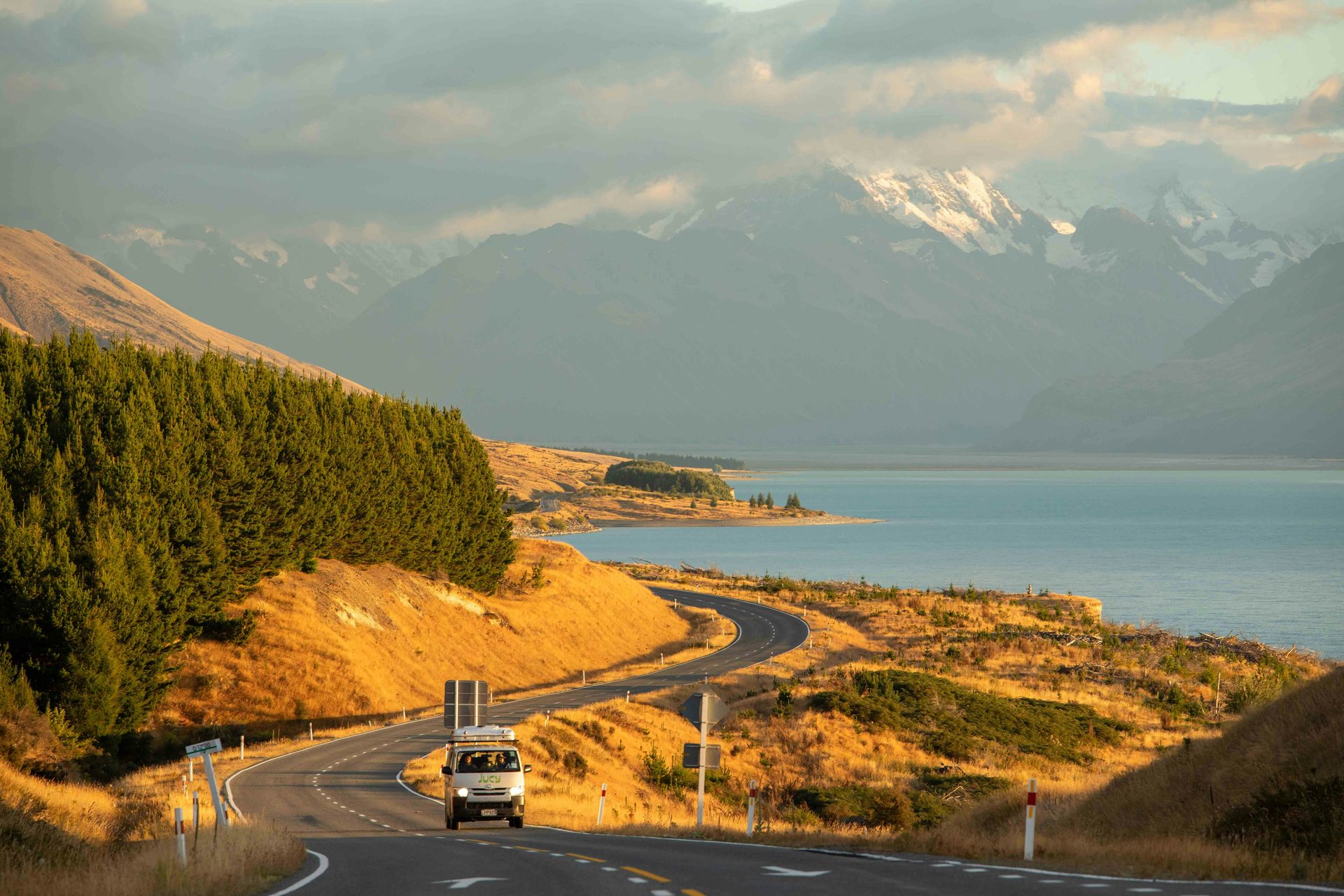
What It Really Takes to Live Full-Time in a Van
Weekend van trips are one thing. Living full-time is another. Here's what you actually need.
Weekend Warrior vs. Full-Time Dweller
Weekend Van Life
- • Small solar panel, basic battery
- • Cooler or small portable fridge
- • No hot water needed
- • Basic insulation (or none)
- • You're staying in campgrounds
- • Bathroom in RV park or hostel
Full-Time Van Life
- • Large lithium battery bank (200–400 Ah)
- • Substantial solar (400–800W)
- • Full plumbing with hot water heater
- • Insulation for winter and summer
- • You need to be self-sufficient for weeks
- • Indoor shower + toilet (essential)
The Bottom Line:
A weekend build can sit at the low end ($30K–$50K). Full-time living generally starts around $55K and runs to $120K+. Everything—electrical, plumbing, insulation, heating—needs to be more durable, more capable, and thought through for daily use.
Electrical: The Heart of Full-Time Living
Your fridge runs 24/7. You charge laptops for remote work. Lights come on every night. A basic portable power station won't cut it.
What You Need
- Battery bank: 200–400 Ah of lithium (LiFePO₄). This is the core upgrade.
- Solar: 400–800W of solar panels. More is better if you boondock.
- Inverter: 2,000–3,000W to handle AC loads (hair dryer, microwave, tools).
- Charger/DCDC: Smart alternator charging + 12V distribution for fridge, water pump, lights.
- Wiring & breakers: Properly sized 6/2 or 4/2 cable (not undersized junk).
Real numbers: A full-timer with fridge, laptop charging, lights, and occasional AC draw might use 80–150 Ah per day in winter, 40–80 Ah in summer (depending on sunlight).
A 200 Ah battery gives you 2–5 days of autonomy depending on weather. A 300 Ah battery gives you better margin and longer stretches without hookups.
Learn more: See our full electrical system guide for detailed breakdowns by budget level.
Plumbing: You Need a Real Shower
Full-time living without a shower gets old fast. And without proper water management, you'll spend half your day thinking about tanks.
The Minimum System
- Fresh water tank: 30–40 gallons (minimum; more is better for boondocking).
- Hot water: Tankless or tank-style heater. Propane or electric. Non-negotiable.
- Shower setup: Indoor shower + enclosed wet bath OR outdoor shower setup. Both have pros and cons.
- Gray water tank: 25–40 gallons to hold shower/sink drainage.
- Black water tank: 10–15 gallons for toilet. Composting toilet is an alternative.
- Pump & lines: 12V water pump, braided lines, shutoff valves. Real plumbing, not garden hose.
Water management on the road:
- • RV parks and campgrounds: most have spigots to fill fresh water tanks.
- • BLM/public land: natural springs, creeks, or you fill from town before heading out.
- • iOverlander + Campendium apps: communities mark water sources and dump stations.
- • Rule of thumb: full-timers spend a morning every 1–2 weeks finding a place to empty gray water.
Learn more: See our plumbing system guide for tank sizes, heater options, and installation details.
Insulation & Heating: Winter Will Test You
You can skip insulation in a weekend van. Full-time? Nope. Winter nights get cold, and you'll be inside a metal box with thin walls.
What Works
- Walls & ceiling: Thinsulate + closed-cell foam (4–2 inches). Resists water and mold better than alternatives.
- Floors: XPS foam (rigid) under plywood. Stops cold from soaking in.
- Windows: Dual-pane or insulated covers. Single-pane windows are heat leaks.
- Door seal: Weather stripping around entry door. Drafts kill your heating efficiency.
Heating
If you plan to winter in cold climates, a diesel heater (Webasto, Espar) is the standard. They run on your fuel tank, don't suck electricity, and keep you warm overnight. Propane heaters work but are less efficient in moving vehicles.
Pro tip: Even in mild climates, a heater is worth it for unexpected cold snaps and nighttime condensation control.
How Much Insulation and Heat You Need
Most full-time builds get solid insulation plus a heater. Year-round boondocking in hard climates adds extra insulation, better sealing, and a higher-end heating system.
Internet: You Can Work From Anywhere (With Planning)
Many full-timers work remotely. Cell signal is hit or miss. You need a backup plan.
The Reality
- Cell booster: A 4G/5G booster antenna ($200–400) and a decent phone plan are your first line.
- Multi-carrier SIM: Some people carry two phones on different networks (Verizon + T-Mobile).
- Mobile hotspot: iPad with cellular or a dedicated hotspot device gives you a backup.
- Starlink (emerging): Starlink Mini ($600, $150/month) is changing the game for remote work. No cell needed.
- Route planning: Full-timers check coverage maps before heading to remote areas. Boondocking + zero signal = no work.
Budget for internet: $50–150/month depending on your needs. Starlink users budget an extra $150/month for satellite service.
Legal Stuff: Domicile, Registration, Mail
You still need a legal address, health insurance, and vehicle registration. The good news: you have options.
Choosing a Domicile State
Your domicile is your legal home for registration, insurance, and taxes. Popular full-timer choices:
- South Dakota, Texas, Florida: No state income tax. Cheap registration. Friendly to RVers.
- Montana, Wyoming: Low registration fees and no vehicle sales tax.
- Your home state: If you prefer to stay put administratively.
Mail & Address
- Mail forwarding service: Traveling Mailbox, Escapees, Amazon Flex Hub. Scan your mail, collect packages.
- Campground address: Some parks let you use their address for registration and insurance.
- Friend/family address: Works, but sets up bureaucratic headaches if you move.
Insurance & Health
- Vehicle insurance: Standard auto + RV coverage. Rates depend on your domicile state and vehicle type.
- Health insurance: ACA (Affordable Care Act) plans through your domicile state. You pick a marketplace plan.
- Cost: Health insurance $200–500/month depending on age and coverage. Budget for it.
Do This Before You Hit the Road
- Pick a domicile state and register your van there.
- Get health insurance (ACA or employer plan).
- Set up mail forwarding.
- Update your address with banks, credit cards, and important accounts.
Monthly Budget: What Does Full-Time Really Cost?
The van is built. Now you live in it. Here's a realistic breakdown.
Budget Estimate
- Fuel $300–500
- Propane (heating, cooking) $50–100
- Campgrounds/BLM fees $200–400
- Food $300–600
- Insurance (auto + health) $400–700
- Internet/Starlink $50–150
- Maintenance & repairs $100–200
- Total Monthly $1,400–2,650
How People Afford It
- Remote work: $3,000–5,000+/month salary covers costs + savings.
- Seasonal work: Work ski season or summer, then travel in off-season.
- Gig work: Campground hosts, Amazon Flex, property sitting, freelancing.
- Passive income: Rental properties, dividends, Social Security, retirement accounts.
- Lower costs: Travel slower, camp longer in one spot (fewer moves = less fuel).
The Reality Check
Full-time van life is cheaper than renting a house, but it's not free. Budget $1,200–$2,500 per month and have a plan for income or savings.
Maintenance on the Road: Know Your Systems
Your fridge breaks 1,000 miles from a dealer. Your water pump fails at a remote campsite. You need to be self-sufficient.
What You Need to Know
- How to reset your fridge: Some "broken" fridges just need a restart.
- Propane system basics: Shutoff valve location, how to check for leaks, how to refill.
- Electrical system: How to read your battery monitor, reset breakers, troubleshoot 12V circuits.
- Plumbing: How to winterize, where your shutoff valve is, how to clear a clog.
- Water heater: How to bleed air, reset the unit, and switch between propane and electric.
Tools & Spares to Carry
- Basic toolset: screwdrivers, pliers, wrench set, hammer, multimeter.
- Replacement water filters (furnace, fridge), fuses, circuit breakers.
- Hose clamps, plumbing tape, silicone sealant, WD-40.
- Extra fuses for the vehicle (battery disconnect, inverter, solar).
- 12V bulbs, battery terminals, electrical connectors.
Finding Help on the Road
Breakdown services like RV assistance or AAA can tow you to a mechanic. But for electrical and plumbing, your builder (or online communities like iRV2, VanTech forums) can walk you through fixes.
A good relationship with your builder is gold. ECB builds full-time rigs, and we're happy to troubleshoot over email or phone.
The Human Side: Loneliness, Community, and Relationships
Full-time van life isn't always sunny desert mornings and epic adventures. It's also loneliness and difficult relationships.
It Can Be Lonely
Waking up in a parking lot alone, no nearby friends, no routine social interaction—it hits some people harder than expected. If you're an introvert, full-time van life might be paradise. If you're extroverted, you'll need to be intentional about community.
Finding Community
- Van meetups: Overland expos, Van Fest, VanLife conventions. Real networking with your people.
- Campendium: Reviews and community forums for every campground.
- iOverlander: Map of campsites, water, mechanics. Built by travelers, for travelers.
- Facebook groups: Sprinter owners, ProMaster communities, regional van groups—active every day.
- Coworking spaces: Digital nomads hang out here. Easy way to meet people and get work done.
Relationships at a Distance
Family dinners become Zoom calls. Friends miss you. Romantic relationships need intention. If you're leaving behind important people, have a plan for staying connected. Some full-timers go home for holidays or do seasonal van life (winter travel, summer home).
Honest Talk
Full-time van life is amazing for some people and isolating for others. Before you build and hit the road, talk to people who are doing it. Spend a week in someone's van if you can. It's different from a vacation.
How Much Build Do You Need for Full-Time Living?
Both can support full-time van life. The difference is comfort and flexibility.
Campgrounds plus some boondocking ($55K–$75K)
- ✓ Electrical: 200 Ah lithium, 400W solar
- ✓ Plumbing: 30-gal fresh, 20-gal gray, hot water
- ✓ Insulation: Good wall/ceiling insulation, sealed windows
- ✓ Heating: Diesel heater or high-quality propane
- ✓ Best for: Full-timers using campgrounds regularly + some boondocking
Comfortable for daily living. Needs shore power 2–3 weeks out of the month for extended boondocking.
Full-time off grid ($80K–$120K+)
- ✓ Electrical: 300–400 Ah lithium, 600–800W solar, large inverter
- ✓ Plumbing: 40-gal fresh, 30-gal gray, tankless hot water
- ✓ Insulation: Maximum insulation, double-pane windows, sealed doors
- ✓ Heating: High-end diesel heater, excellent ventilation
- ✓ Best for: Full-time boondocking, harsh climates, year-round travel
Maximum autonomy. Can boondock 4+ weeks without hookups. Handles extreme cold/heat.
The Choice
Going to travel mostly in developed areas with campgrounds nearby? The lower end is fine and saves money. Planning long stretches in remote BLM land or international travel? The extra capability is worth the investment. It removes the anxiety of "can I make it to the next hookup?"
The 5 Biggest Full-Time Van Life Mistakes
1. Undersizing Electrical
"I'll just use a 100 Ah battery and a small solar panel." One week in, the fridge dies, your laptop won't charge, and you're hunting for shore power. Start with 200 Ah minimum.
2. No Hot Water
"I'll just shower in gas station bathrooms." Winter is coming. You'll regret this. Hot water matters for mental health and hygiene.
3. Poor Insulation for Winter
Not insulating properly forces you to run your heater 24/7, killing fuel economy and draining your spirit. Spend the money upfront.
4. Not Budgeting for Vehicle Maintenance
Oil changes, tire wear, transmission fluid—your van gets driven hard. Budget $100–200/month for maintenance. Ignore this and a $3K repair catches you off guard.
5. No Domicile Plan
Skipping the domicile state + mail forwarding setup leads to registration nightmares, lost insurance, and legal headaches. Sort this before you leave.
How Emery Custom Builds Designs for Full-Time Living
We don't build weekend rigs dressed up as full-time builds. Every full-time rig we design is built for daily, year-round living.
Our Process
- 1. Consultation: We ask about your travel plans, climate, boondocking frequency, and remote work needs.
- 2. System Design: Electrical, plumbing, heating all sized for your actual use, not a generic build.
- 3. Build & Test: Every system gets stress-tested before handoff. We make sure the fridge works, the heater heats, and everything is durable.
- 4. Walkthrough & Training: We teach you how your systems work. When something breaks on the road, you know how to fix it.
What We Know
- ✓ A 200 Ah battery isn't a luxury—it's a baseline.
- ✓ Plumbing and hot water are non-negotiable.
- ✓ Insulation and heating win the day when winter hits.
- ✓ Full-timers live in their builds. Comfort matters.
- ✓ When you're 1,000 miles from home, durability beats saving $500.
Ready to build your full-time rig?
Let's talk about your plans, your timeline, and what systems you need. We'll design a build that works for you, not a generic template.
Start a ConsultationCommon Questions
How long does it take to build a full-time van? ▼
Mid-range builds: 8–12 weeks. Higher-end builds: 12–16+ weeks. It depends on your choices and how much customization you want. A full-time build requires more electrical work, plumbing, and testing than a basic build.
Can you full-time in a $30K–$50K van? ▼
Not really. Builds at that level are set up for weekend trips. Full-time living needs more electrical capacity, hot water, and better insulation. You'll be uncomfortable after a month. Around $55K–$75K is the realistic minimum for full-time.
What if I boondock 90% of the time? ▼
Then you want a build with 300+ Ah, 600+ W solar, and serious insulation. You're betting on self-sufficiency, so every system needs to be built right. Don't skimp on electrical or water capacity.
Can I upgrade my van after it's built? ▼
Yes, but it's harder. Upgrading electrical after build means ripping out walls. Adding a heater post-build means complex venting. It's cheaper and cleaner to build right the first time. Budget for the build you actually need.
How do I know if full-time van life is right for me? ▼
Rent a van or RV for 2–3 weeks. See if you enjoy the lifestyle before committing $50K+. Talk to full-timers in person. Join van communities online. Some people love it; others realize it's not for them. That realization is worth having before you buy.
Related guides: Full-Time Tips & Hacks · Cost of Van Life · Van Life Insurance · Solar Power Guide · Plumbing Systems · All Van Life Guides
Ready to Build Your Full-Time Van?
Full-time van life is achievable. It just takes the right build, the right planning, and honest expectations. Let's build something that works for your life on the road.